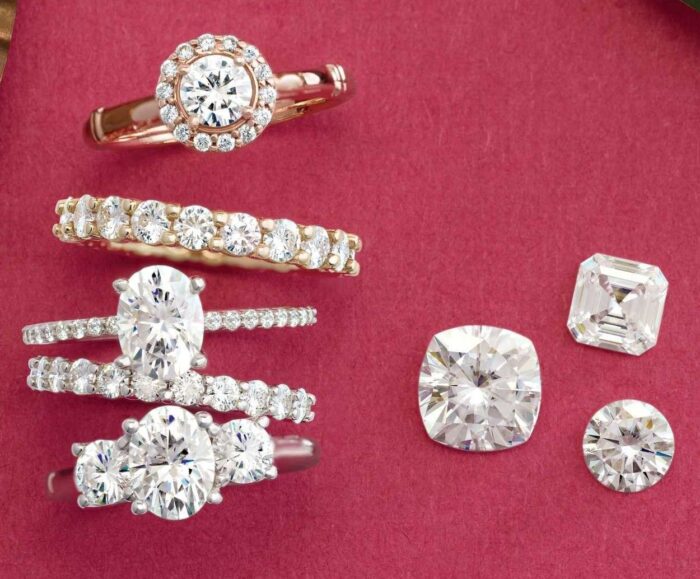
Shopping for diamond jewelry can feel overwhelming, especially when terms like “clarity,” “color grade,” and “ideal cut” start getting thrown around. But here’s the thing: understanding what makes a diamond valuable isn’t nearly as complicated as the industry sometimes makes it seem. It mostly comes down to four factors, known as the 4Cs of diamonds.
Once you understand these basics, you’ll feel more confident walking into any jewelry store and knowing exactly what you’re looking at. No guesswork, no nodding along while pretending to understand. Just real knowledge that helps you make a smart choice.

Cut: The One That Matters Most
When people hear “cut,” they often think it means the shape of the diamond. Round, oval, pear, that sort of thing. But diamond cut quality actually refers to how well the stone has been shaped and faceted to interact with light. A well-cut diamond sparkles. A poorly-cut one looks flat, no matter how large or clear it is.
Cut is the factor that has the biggest impact on how beautiful a diamond looks to the naked eye. Two stones can be identical in every other way, but the one with the better cut will always steal the show. If you’re on a budget, this is the last place you want to compromise.
Clarity: Tiny Details You Might Never See
Nearly every diamond has natural imperfections called inclusions. The diamond clarity scale measures how visible those imperfections are, ranging from “flawless” all the way down to “included.” Most inclusions are microscopic and completely invisible without magnification, which means you can often choose a slightly lower clarity grade and still have a gorgeous stone.
A good jeweler will show you this and help you decide what matters for your specific piece. It’s one of those areas where a little education saves you a lot of money without sacrificing beauty. If you love learning about what makes diamonds so fascinating, you’ll enjoy these surprising facts about diamonds.
Color: Less Is Actually More

Diamond color grading runs on a scale from D (completely colorless) to Z (noticeable yellow or brown tint). The closer a diamond sits to the colorless end, the more valuable it typically is. But here’s the thing most people don’t realize: the differences between a few grades are nearly impossible to spot once the stone is set in a ring or pendant.
That’s why the setting matters just as much as the stone itself. A warm-toned gold band can make a slightly lower color grade look perfectly white, while a platinum setting shows off the brilliance of a higher grade. If you’re exploring options, it helps to understand how different settings complement your diamond.
Carat: Size Isn’t Everything

Diamond carat weight is probably the most talked about of the four, but it’s also the most misunderstood. Carat measures weight, not size. Two diamonds with the same carat weight can look noticeably different depending on how they’re cut and set.
Bigger isn’t always better, either. A smaller diamond with excellent cut, clarity, and color will outshine a larger stone that falls short in those areas. The smartest shoppers balance carat with the other three Cs to get the most brilliance for their budget. You can browse the full collection of diamond pieces to see how that balance plays out across different styles.
Ready to Find Your Perfect Diamond?
Now that you know what the 4Cs actually mean, shopping for diamond jewelry becomes a whole lot less stressful. You don’t need to memorize charts or become a gemologist. You just need to understand the basics and work with someone who explains things honestly.
At Johantgen Jewelers, we’ve been helping people find the right diamond for over five generations. No pressure, no confusing jargon, just straightforward guidance from people who love what they do. Stop by and let’s find something that sparkles.